
Important: If you or your family members are experiencing unexplained health issues that improve when away from home, consider having your home evaluated for environmental moisture and mold. Mold illness is frequently misdiagnosed.
Mold exposure is more than an inconvenience — it is a serious health hazard affecting millions of Americans, especially in humid climates like Florida. Understanding the health risks, toxic metabolites, and specific fungal species is the first step in protecting yourself and your loved ones.
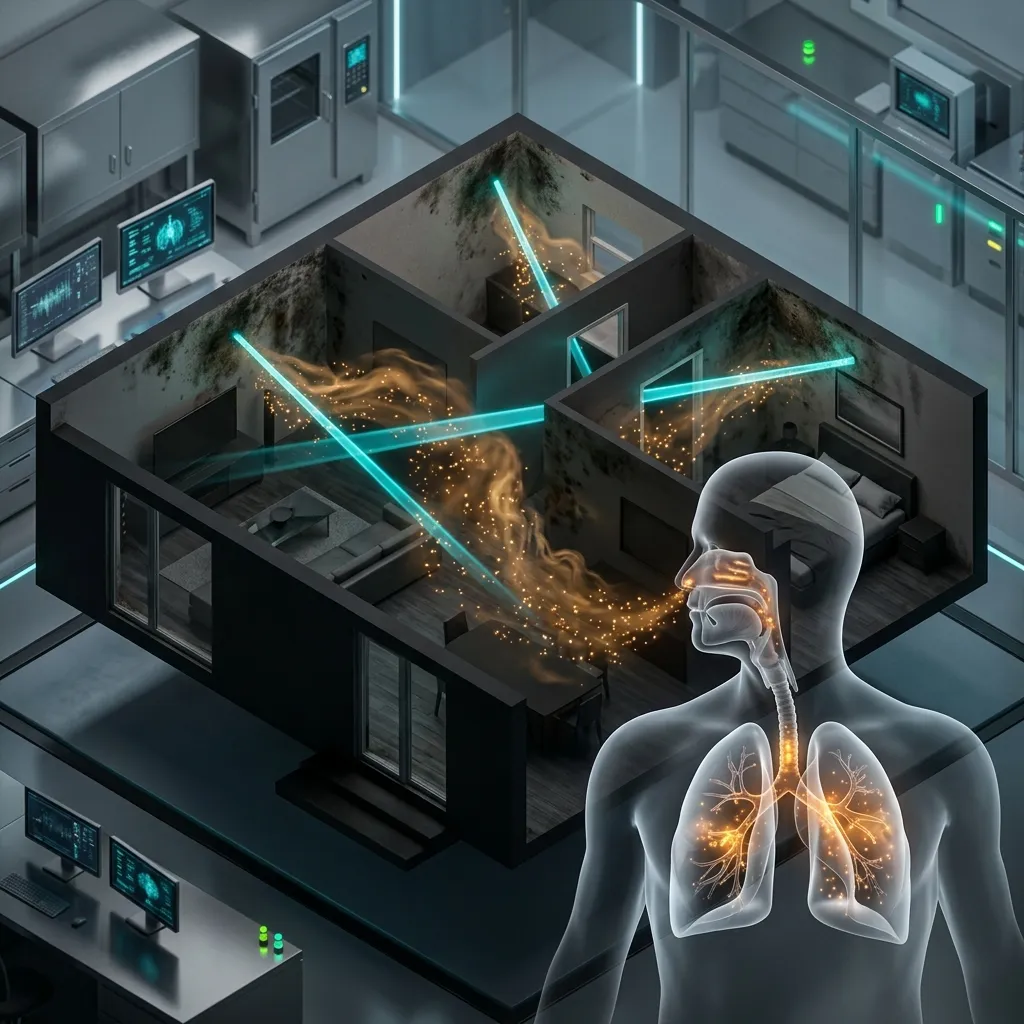
Common Symptoms of Mold Exposure
Mold exposure triggers a wide range of symptoms — from mild allergic reactions to severe systemic illness. The key diagnostic clue: symptoms that improve when you leave the building.
Respiratory
- Persistent coughing & wheezing
- Shortness of breath
- Chest tightness & pain
- Throat and nasal irritation
Allergic Reactions
- Sneezing and runny nose
- Red, itchy, watery eyes
- Skin rashes and hives
- Chronic sinus congestion
Neurological
- Headaches and migraines
- Brain fog and confusion
- Memory and concentration issues
- Mood changes, anxiety, depression
Systemic / General
- Chronic fatigue that doesn't improve with rest
- Muscle aches and joint pain
- Digestive issues, nausea
- Temperature dysregulation
Who Is Most at Risk?
While anyone can be affected by mold exposure, certain groups face disproportionately higher health risks due to developing, weakened, or sensitized immune systems:

High-Risk Populations
Infants & Young Children
Developing immune systems and faster breathing rates mean they absorb 2× more toxins per pound of body weight. Infant mold exposure statistically triples asthma risk by age seven.
Elderly Individuals
Weakened immune response and reduced lung capacity amplify all mold-related health effects, increasing susceptibility to pneumonia and chronic respiratory inflammation.
Asthma & Allergy Sufferers
Mold spores are a primary trigger for severe asthma attacks. Even brief exposure can cause hospitalizations in sensitized individuals.
Immunocompromised
Cancer patients, HIV/AIDS, transplant recipients, or those on immunosuppressants face serious risk of invasive fungal infections from mold exposure.
Pregnant Women
Mycotoxin exposure poses risks to fetal neurological development. Protecting both mother and developing baby requires a mold-free environment.
Pets & Animals
Dogs, cats, and birds are highly sensitive to mold toxins — often showing lethargy, skin irritation, or respiratory distress before humans notice symptoms.
Mycotoxin & Chemical Impact Matrix
Different mold species produce specific mycotoxins and chemical byproducts with very different health profiles. Understanding what species are present determines both health risks and remediation protocols:
| Toxin / Compound | Mold Source | Primary Health Impact | Risk Level |
|---|---|---|---|
| Trichothecenes & Satratoxins | Stachybotrys (Black Mold) | Severe neurological & respiratory damage, CIRS, immune collapse | CRITICAL |
| Scopularides & Trimethylarsine (Gosio Gas) | Microascus & Scopulariopsis | Alveolar macrophage apoptosis, garlic odor gas toxicity, drug-resistant infections | CRITICAL |
| Ascotrichin & Ascosterosides | Ascotricha chartarum | Potent serotonin agonist (acute anxiety, dizziness, brain fog), strong cytotoxicity | HIGH |
| Aflatoxins | Aspergillus species | Liver damage, severe immune suppression, carcinogenic | HIGH |
| Ochratoxins | Penicillium & Aspergillus | Kidney damage, chronic fatigue, urinary tract inflammation | HIGH |
| Gliotoxin | Candida & Aspergillus | Immune system suppression, opportunistic respiratory infections | ELEVATED |
| Zearalenone | Fusarium species | Hormonal disruption, reproductive system effects | MODERATE |
Newly Identified & High-Risk Pathogens: Under the Radar
While well-known molds like Aspergillus and Stachybotrys receive the most attention, modern indoor environmental investigations frequently identify less common but exceptionally hazardous mold species that require specialized detection and containment:
1. Microascus (Asexual state: Scopulariopsis)
Microascus (and its asexual morph Scopulariopsis) represents a major indoor air threat due to its extreme spore aerosolization and clinical resistance to standard antifungal treatments.
2. Ascotricha (Specifically Ascotricha chartarum)
Ascotricha chartarum is a specialized, dark-pigmented mold that actively destroys structural cellulose materials while producing neuroactive compounds capable of affecting occupant mood and cognition.
Long-Term Health Effects
Prolonged exposure to mold — especially toxic varieties like Stachybotrys chartarum, Microascus, and Ascotricha — leads to serious chronic conditions that outlast the exposure itself:
Chronic Inflammatory Response Syndrome (CIRS)
CIRS is a complex, multi-system illness caused by exposure to biotoxins like mycotoxins. It is frequently misdiagnosed as chronic fatigue syndrome, fibromyalgia, or depression. Key diagnostic features:
Note: CIRS requires specialized medical management and complete removal from the mold-contaminated environment. Standard antibiotics have no effect on mycotoxin-driven illness.
Other Documented Long-Term Conditions
- Permanent Respiratory Damage: Chronic bronchitis, asthma, or irreversible reduction in lung capacity
- Neurological & Serotonergic Impairment: Memory loss, difficulty concentrating, chronic mood disorders, and neurotransmitter disruption from neuroactive mycotoxins (such as ascotrichin)
- Immune System Suppression: Chronically elevated susceptibility to infections due to macrophage-destroying compounds (like scopularides)
- Invasive & Drug-Resistant Fungal Colonization: Deep bronchopulmonary infections and onychomycosis caused by persistent opportunistic species like Microascus / Scopulariopsis
- Hypersensitivity Pneumonitis: Inflammation of lung tissue triggered by repeated airborne mold antigen exposure
- Aspergillosis: Invasive fungal lung infection — primarily affects immunocompromised individuals
How Do You Protect Your Family?
The best defense against mold toxification is active, continuous purification — not just remediation. Learn how the Air & Surface Pro XL destroys mold spores and VOCs before they enter your lungs. Or visit our Education Hub to explore the full risk picture.
When to Seek Medical Attention
Consult a healthcare provider immediately if you or a family member experiences:
- Symptoms that persist or worsen despite leaving the contaminated environment
- Severe respiratory distress or asthma attacks not responding to rescue inhalers
- Signs of infection: fever, productive cough, or coughing blood
- Unexplained neurological symptoms in children or seniors
- Multiple family members experiencing similar, concurrent symptoms
Don't Wait Until It's Too Late
Early detection and professional remediation prevent serious health complications. Schedule your complimentary visual evaluation — no obligation, no pressure.
Schedule Free EvaluationOr call: (772) 206-2121