Not all mold is equal. Understanding the species growing inside your walls is the first step to protecting your family. Some produce mycotoxins — chemical compounds linked to neurological damage, immune collapse, and cancer.
The word "mold" encompasses thousands of fungal species. Inside Florida homes, elevated humidity and warmth create ideal breeding conditions for a specific subset of species — some merely cosmetic, others capable of producing mycotoxins: secondary metabolites that are among the most potent natural toxins on Earth.
A proper indoor environmental assessment must identify which species are present. Treating Cladosporium the same way as Stachybotrys chartarum is a critical clinical and remediation error.

These species are confirmed producers of mycotoxins — compounds linked to cancer, neurological damage, immune suppression, and organ failure. Their presence requires immediate professional remediation.
Commonly called "toxic black mold," Stachybotrys produces trichothecene mycotoxins — some of the most potent biological toxins known, historically weaponized. It requires sustained water damage (>72 hours) and cellulose materials to colonize.
A genus of 300+ species, over 20 of which produce mycotoxins. A. flavus and A. parasiticus produce aflatoxins — the most potent naturally occurring carcinogens known, classified as Group 1 carcinogens by the IARC.
Fusarium species produce fumonisins, zearalenone, and trichothecenes. Unlike most mold, Fusarium can cause infections directly in living tissue (onychomycosis, keratitis) and thrives in water-saturated environments like flood-damaged flooring.
Penicillium is extremely common indoors in Florida. While famous for producing penicillin, several species produce Ochratoxin A — a potent nephrotoxin classified as a possible human carcinogen. Spores spread rapidly through HVAC systems.
Often found alongside Stachybotrys, Chaetomium produces chaetoglobosins and sterigmatocystin — a precursor to aflatoxin. It has a distinctive musty, earthy odor and is a strong indicator of severe water intrusion in building materials.
Previously considered non-pathogenic, Trichoderma is now recognized as an opportunistic pathogen. It produces gliotoxin and trichothecenes, and is increasingly found in immunocompromised patients. Often missed in standard mold panels.
A late-stage (tertiary) colonizer with extreme aerosolization capacity, often dominating >80% of airborne spore counts (>1,300 spores/m³). Produces scopularides A & B (cytotoxic to alveolar macrophages) and historically emitted toxic Gosio gas (trimethylarsine) from arsenic wallpapers.
Thrives in near-saturated moisture ($a_w > 0.90$) and digests structural cellulose (drywall, wood, linoleum). Produces ascotrichin, a potent serotonin receptor agonist linked to acute anxiety, depression, and cognitive fog in occupants. Often causes false negatives on air tests due to heavy anchored spores.
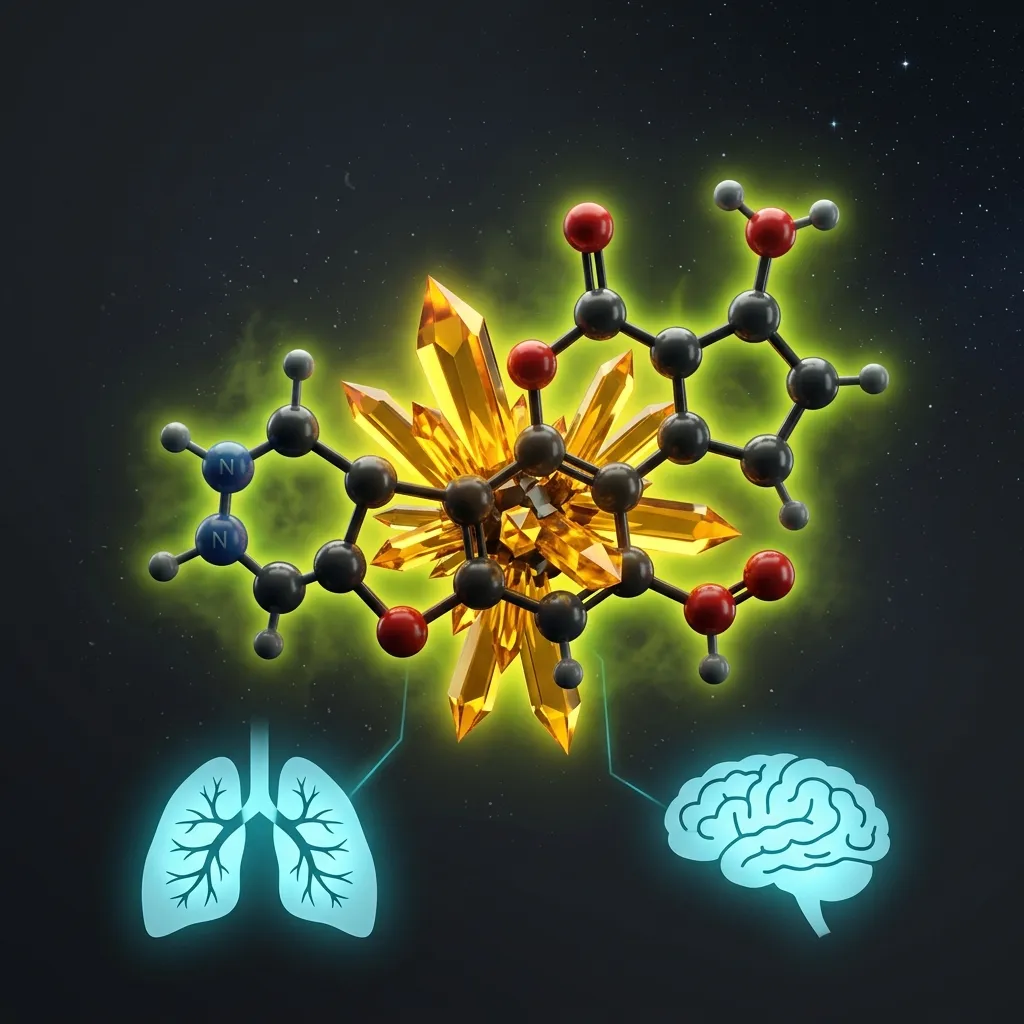
Mycotoxins are secondary metabolites — chemical weapons that mold produces under stress conditions (competition, nutrient scarcity, temperature changes). They are not alive, meaning standard mold remediation that kills the fungus does not eliminate them.
They bind to surfaces, penetrate porous materials, and can remain biologically active for decades. Unlike mold spores, they cannot be seen, smelled, or detected without laboratory analysis — specifically ERMI or HERTSMI-2 testing.
| Mycotoxin | Source Mold | IARC / WHO Class | Health Impact | Key Fact |
|---|---|---|---|---|
| Aflatoxin B1 | Aspergillus flavus / A. parasiticus | Group 1 Carcinogen (IARC) | Liver cancer, acute hepatotoxicity | Highest potency natural carcinogen |
| Ochratoxin A | Aspergillus / Penicillium | Group 2B Carcinogen | Kidney damage, immunotoxicity | Accumulates in tissue over time |
| Satratoxin G/H | Stachybotrys chartarum | Weaponized trichothecene | Neurological damage, hemorrhage | Key toxin in sick building syndrome |
| Fumonisin B1 | Fusarium verticillioides | Group 2B Carcinogen | Esophageal cancer, neural defects | Common after flooding events |
| Trichothecene (T-2) | Fusarium / Trichoderma | Biological warfare agent | Immune suppression, cell death | Impossible to detect by smell |
| Zearalenone | Fusarium graminearum | Endocrine disruptor | Hormonal disruption, reproductive harm | Estrogenic — affects children |
| Gliotoxin | Aspergillus fumigatus | Immunosuppressive | Kills immune cells directly | Targets neutrophils and macrophages |
| Sterigmatocystin | Chaetomium / Aspergillus | Aflatoxin precursor | Liver & kidney toxin | Often overlooked in standard tests |
These species do not produce mycotoxins but trigger severe allergic and respiratory responses. They are extremely common in Florida and represent the majority of indoor mold complaints.
Most common outdoor mold that invades interiors.
Asthma attacks, hay fever, skin rash. One of the leading triggers of allergic rhinitis.
Aggressive allergenic mold linked to asthma epidemics.
Severe asthma, hypersensitivity pneumonitis. Often found in bathrooms and kitchens.
Fast-growing mold that can become invasive in immunocompromised.
Mucormycosis — a life-threatening infection in diabetics and cancer patients.
Common bread mold that spreads rapidly in warm humid environments.
Respiratory irritation, opportunistic infection in immunocompromised individuals.
Slime-producing mold found on wet wood and painted surfaces.
Hypersensitivity pneumonitis, skin rash. Often misidentified as simple discoloration.
Indicator mold signaling severe water damage in building materials.
Strong allergen, indicator species. Its presence signals Stachybotrys-favorable conditions.
Lower immediate health risk but still indicators of humidity problems that, left unchecked, can create conditions for dangerous species to colonize.
Often green, rapid grower on wood & damp materials. Produces enzymes that degrade cellulose — literally digesting your home structure.
Common Location Wood, wallboard, soilGrey mold common on plants brought indoors. Spreads to walls in high humidity. Strong allergen in enclosed spaces.
Common Location Plants, compost, window sillsXerophilic mold — survives at very low humidity. Found in house dust and mattresses. Linked to hypersensitivity pneumonitis.
Common Location Dust, mattresses, dry foodsOften co-occurs with Stachybotrys and produces similar trichothecene-class toxins. Frequently missed in standard air sampling.
Common Location Cellulose materials, drywallFlorida's climate is essentially a mold incubator. With average humidity above 70%, temperatures rarely below 60°F, and hurricane season introducing catastrophic water intrusion events, South Florida homes face mold pressures unlike anywhere else in the continental United States.
Our sealed attic construction — using spray foam insulation — creates humid, dark, warm enclosed environments. When moisture enters (through roof leaks, condensation, or HVAC sweating), the attic becomes a sealed bioreactor for toxigenic mold growth.
Visual identification is impossible for most species. The only reliable method is laboratory analysis of air or surface samples.
Standard industry method (IICRC S520). Collects airborne spores on a cassette analyzed under microscopy. Identifies genus and concentration. Required for Post-Remediation Verification (PRV).
Direct sampling of visible colonies. Provides species-level identification. Used alongside air sampling for comprehensive assessment. IICRC-accepted method.
DNA-based dust test developed by EPA as a research tool only. The EPA explicitly states it should NOT be used as a pass/fail test for individual homes. Not recognized by IICRC S520 or AIHA for PRV. Useful as a general screening indicator only.
Focuses on 5 species linked to CIRS illness. Used by Shoemaker-trained physicians as a clinical tool for patient management — not as a building clearance standard. Not recognized by IICRC for PRV. Valuable in medical context only.
Our Environmental Thermal Camera Inspection (ETCI) combines infrared thermal imaging with air sampling to create a complete species map of your home's mold ecology — without destructive testing.
Learn About ETCIOur certified inspectors use laboratory-grade air sampling to identify exactly which mold species are present and whether mycotoxins are active in your environment.
Concerned about musty odors or AC mold? Tap to check your property risk in 60s.

Port St. Lucie HQ • (772) 206-2121